Is Kombucha Good for Your Gut? Science-Backed Insights
Key Takeaways
Kombucha supports gut health by delivering live probiotics, organic acids, and prebiotic compounds.
It can help reduce bloating, improve digestion, and support microbial balance.
The fermentation process naturally enhances its benefits especially when unpasteurized.
KOKÉ Kombucha is made to preserve these benefits without compromise.
Why Gut Health Matters More Than You Think
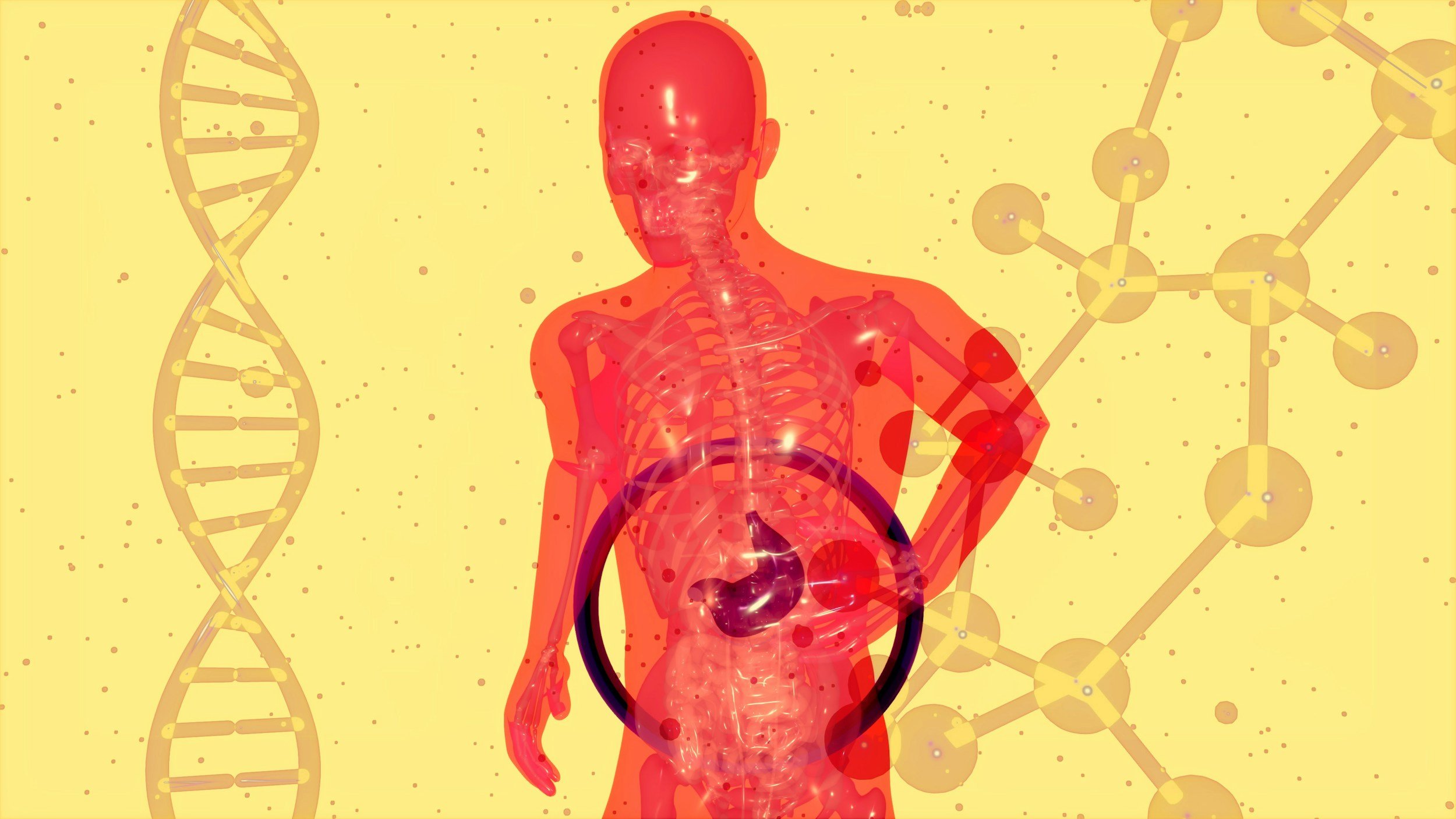
Gut health isn't just a wellness trend. Your gastrointestinal system is home to trillions of bacteria collectively known as the gut microbiome, which influence digestion, immunity, inflammation, and even mental well-being.
When this ecosystem is imbalanced, symptoms like bloating, fatigue, poor digestion, and brain fog can follow. That’s where fermented foods and beverages like kombucha may help.
1. Kombucha Contains Live Probiotics
Probiotics are beneficial bacteria that support digestion and microbial balance. During the fermentation process, kombucha produces various strains of probiotics, including Lactobacillus and Bifidobacterium, both widely studied for gut health support.
According to a 2020 study in Nutrients, probiotics can help regulate gut function, reduce inflammation, and support immune defense by positively influencing gut microbiota composition (source).
At KOKÉ, we preserve these live cultures naturally by avoiding pasteurization or artificial processing.
2. Organic Acids Improve Digestive Function
Kombucha also contains organic acids like gluconic acid, acetic acid, and lactic acid compounds that may support digestion by:
Enhancing enzyme activity
Lowering gut pH (which inhibits harmful bacteria)
Supporting liver detoxification
These organic acids can also support microbial balance and nutrient absorption, making each sip more than just refreshing.
3. Prebiotics Support Probiotic Growth
Certain plant-based ingredients in kombucha, such as ginger, pineapple, and hibiscus, are rich in prebiotic compounds like polyphenols and fibers. These compounds serve as food for existing gut bacteria and may help sustain long-term gut health.
Including both prebiotics and probiotics in your daily diet (a combination known as synbiotics) is considered ideal for promoting microbial diversity, as highlighted in the Journal of Functional Foods (source).
4. May Reduce Inflammation via the Gut
Chronic inflammation often starts in the gut. By helping maintain gut barrier integrity and feeding beneficial microbes, kombucha may indirectly reduce inflammation-related symptoms.
A study published in Antioxidants (2021) noted that the polyphenolic compounds in fermented tea can scavenge free radicals and support cellular health, particularly in the digestive tract (source).
5. Supports the Gut-Brain Connection
Recent research highlights the connection between gut health and mental well-being, known as the gut-brain axis. Probiotics in kombucha may influence neurotransmitter production (like serotonin) and help regulate mood, stress, and cognitive function.
The Journal of Psychiatric Research notes that certain probiotic strains can positively impact anxiety and depressive symptoms by interacting with this pathway (source).
So, Is Kombucha Really Good for Your Gut?
Based on current research, yes, kombucha can be a beneficial part of a gut-supportive diet, especially when it’s:
Naturally fermented
Rich in live cultures
Low in added sugar
Free from artificial additives
That’s exactly how KOKÉ Kombucha is crafted: small-batch brewed, cold-fermented, and unpasteurized for maximum microbial integrity.
Final Thoughts
Your gut plays a key role in your overall health, and what you drink matters. Kombucha offers a simple, evidence-based way to support digestive health and microbial balance, especially when consumed regularly.
If you're looking for a low-sugar, probiotic-rich drink that delivers both flavor and function, KOKÉ Kombucha is a daily habit worth forming.